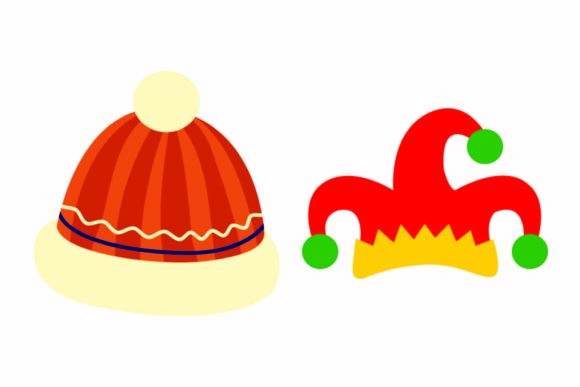
Christmas Hat Warm Illustration Vectors
The First Impression of a Festive Graphic Design Asset
The moment I opened the Christmas Hat Warm Illustration Vectors, I was greeted with a cozy and inviting visual. The illustration feels warm, handcrafted, and full of holiday spirit. It’s not just a simple vector of a hat—it carries a sense of texture and depth that makes it feel like a real, tangible object. The color palette is rich and earthy, with deep reds, warm browns, and soft whites that evoke a sense of comfort and nostalgia. This kind of design asset is perfect for small businesses or handmade brands looking to create a welcoming and festive brand identity.
Fitting the Right Project with the Right Visual Mood
This particular set of illustrations is ideal for seasonal campaigns, especially those centered around winter, holidays, or cozy themes. Imagine a boutique product line that sells handmade holiday items—this asset could be the perfect visual anchor for their branding. It also works well for packaging design, where a warm and inviting illustration can help convey the feeling of a gift or a special treat.
For a local event or a print-on-demand store, these vectors can serve as a versatile graphic element that adds charm without overwhelming the design. They are especially useful in social media graphics, blog visuals, and Canva templates, where they can be scaled and styled to match various creative needs.
Where the Asset Works Best
The Christmas Hat Warm Illustration Vectors perform exceptionally well in large layout areas, such as hero graphics or product mockups. Their detailed nature allows them to stand out and become the focal point of a design. They also work beautifully as decorative accents in editorial design or web design, adding a touch of warmth and personality.
In terms of themed collections, these illustrations are a great addition to any Christmas or winter-themed project. They can be used in campaign visuals, packaging details, and printable designs, offering flexibility for both digital and physical use. For Etsy products or Cricut projects, they provide a solid foundation for creating custom stickers, t-shirt designs, and wall art.
Where the Asset Should Be Used Carefully
However, there are situations where this design asset may not be the best fit. At smaller sizes, the intricate details can get lost, making it difficult to read or recognize. In crowded layouts, the illustration might compete with other elements, leading to visual clutter. When placed on complex backgrounds, it could lose its impact and become less effective.
For minimalist branding or professional corporate materials, these vectors might feel too playful or informal. They are more suited to creative marketplaces, handmade businesses, or small business branding rather than high-end commercial design projects. It's important to consider the overall visual hierarchy and ensure the illustration complements, rather than overshadows, the rest of the design.
Impact on Readability and Brand Consistency
Readability is key in any design project, and the Christmas Hat Warm Illustration Vectors should be tested in black and white to ensure they remain legible. Checking contrast on both light and dark backgrounds will help maintain visual trust and clarity. Previewing the asset at different sizes is essential, especially when preparing for print or digital use.
When it comes to brand consistency, these vectors can be a valuable tool if used thoughtfully. They add a consistent visual element across multiple platforms, from social media graphics to website banners. However, it's crucial to ensure that the illustration aligns with the brand's overall tone and style. A warm and inviting illustration like this one is particularly effective for handmade businesses or small business branding that aims to feel personal and authentic.
Practical Designer Notes
Before using the Christmas Hat Warm Illustration Vectors commercially, there are several things to check. First, confirm the file formats—PNG and SVG are commonly included, but always verify that they meet your project's requirements. If transparency is provided, inspect the PNG files to ensure they work correctly in different contexts.
Test the illustration with different font styles, including serif, sans serif, script, and handwritten fonts, to see how it interacts with text. Also, consider how it performs in print versus digital environments. Test print quality by printing a sample to ensure the colors and details hold up under real-world conditions.
Finally, make sure you have the appropriate commercial license for the design asset. Using clipart or illustration assets without proper licensing can lead to legal issues, especially for clients who plan to sell the final product. Always review the terms of use and ensure the asset is suitable for the intended purpose.